Blog
Realistic Prop Money and Fake Money: How They Show Up in Everyday Life

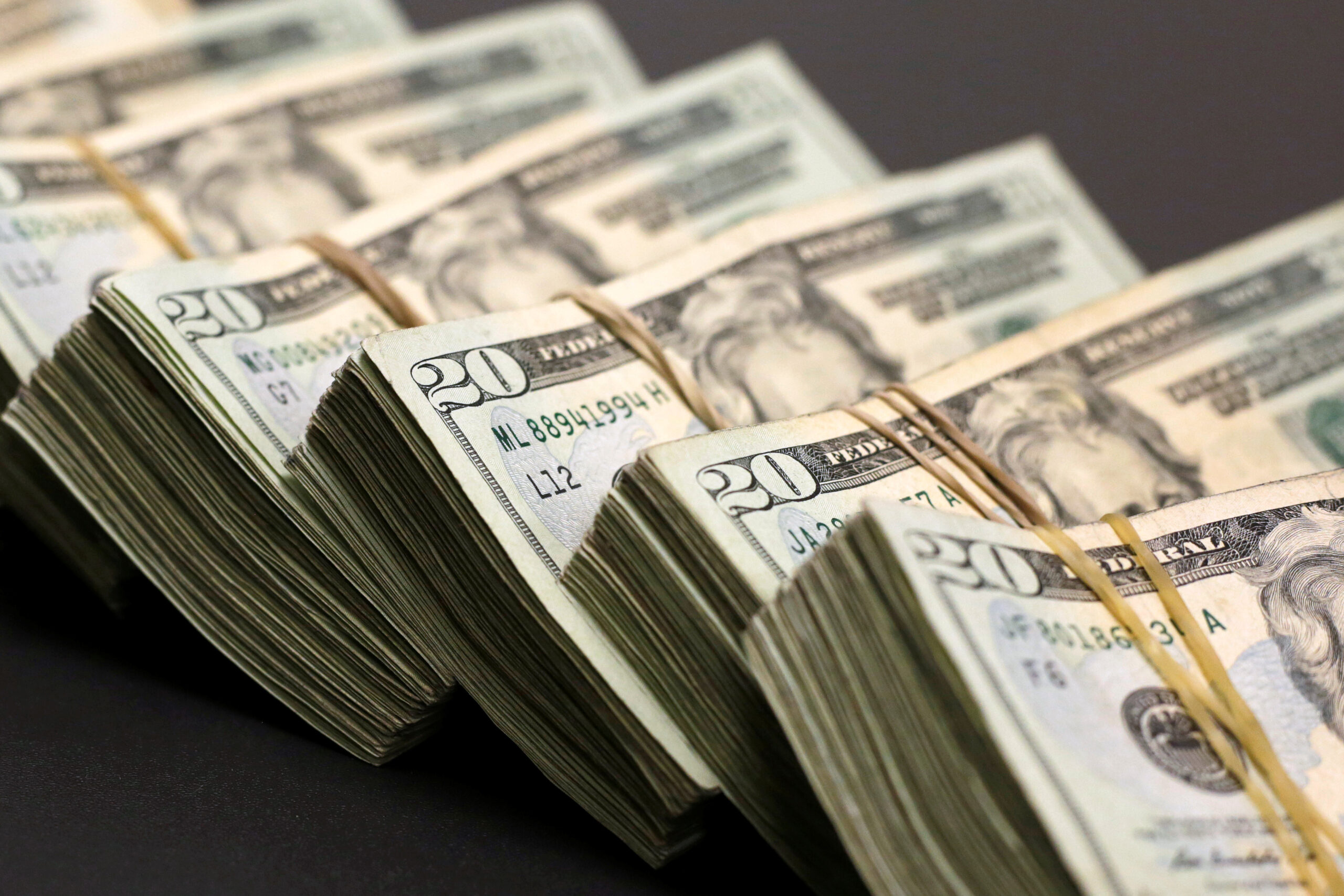
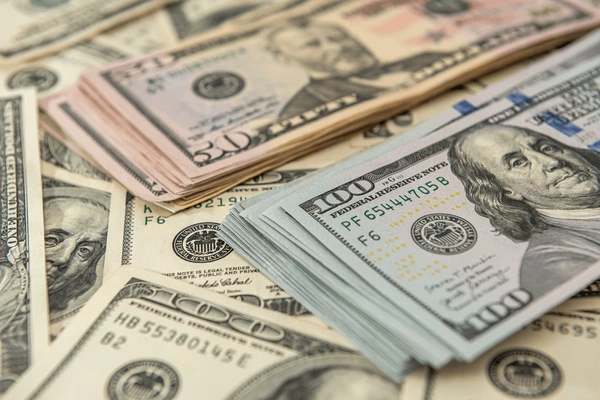
Money isn’t just about buying things — it’s everywhere, from blockbuster movies to viral TikToks. Now that cameras are sharper and social media is packed with creative content, everyone from filmmakers to influencers wants prop money that actually looks like the real deal. At the same time, new tech makes it easier for criminals to whip up counterfeit bills. That’s got stores, banks, and just about everyone else paying extra attention.
It’s more important than ever to know the difference between legal prop money and illegal counterfeits — and to understand how both sneak into daily life.
Let’s break it down: where prop money fits in, how fake bills end up in the mix, and why both are such hot topics right now.
Why Do Creators Want Realistic Prop Money?
If you’ve ever watched a movie or scrolled past a flashy music video, you’ve seen stacks of cash flying everywhere. Directors and content creators want that money to look real, whether they’re filming a close-up money-counting shot or piling hundreds into a suitcase. TikTok, YouTube, Instagram — you name it, money is part of the show.
Because of this, the prop industry has gotten creative. They make:
Full-print bills for when cameras get up close
Worn, aged bills that look like they’ve been around the block
Big filler stacks for scenes where the amount counts more than the details
One-sided bills for background shots that don’t need to fool anyone
These bills come stamped with things like “For Motion Picture Use Only” or “Not Legal Tender,” which keeps everything above board.
Where Prop Money Belongs
Prop money isn’t just for movies. You’ll spot it in:
TV and film shoots
Music videos
Photoshoots
Stage plays
Police training exercises
Cashier/employee training
Magic shows
Social media skits
As long as it stays on set (or stage) and keeps its legal markings, everyone’s happy.
The Trouble Starts When Prop Money Leaves the Set
Prop money is fine — until it slips out into the world. Sometimes a film crew forgets a stack on location, or an extra pockets a few bills as a souvenir. Every so often, someone tries to spend it without realizing that’s a crime.
Because some prop bills look real at first glance, it’s not hard for a busy cashier to get fooled. That’s where the real mess begins.
Counterfeit Money: The Real Threat
Prop money is about make-believe, but counterfeiting is about tricking people for real. Today, fake bills are easier than ever to make. All you need is a decent printer and a little know-how.
Why Are Fakes Still Circulating?
People pass counterfeit bills for all sorts of reasons:
To steal or commit fraud
Because it’s easier now with high-quality printers
There are shady online markets selling fake bills
A lot of folks just don’t know what to look for
Automated machines sometimes can’t spot fakes fast enough
Governments keep adding new security features, but counterfeiters keep finding ways around them. It’s a constant back-and-forth.
Where You’ll Find Fake Money
Counterfeit bills usually show up in places where nobody’s looking too closely:
Busy small businesses
Gas stations and convenience stores
Crowded events
Private sales and online meetups
Even yard sales or classified ads
Most crooks avoid big denominations — they stick to $10s and $20s to fly under the radar.
How People Mix Up Prop Money and Counterfeits
Here’s the thing: prop money is supposed to look good on camera, not in your hand. Still, in a dim room or during a quick transaction, it can trick someone who isn’t paying attention.
People get confused because:
Both kinds use realistic layouts and high-contrast printing
Nobody really checks the tiny security details
Fast transactions mean less time to spot a fake
But the real difference? Intent.
Prop money is legal and made for movies, shows, and training. Counterfeits are illegal, made to cheat people. Sometimes, prop money ends up being used as real cash — even by accident — and that can spark an investigation.
How We Fight Fake Money
So, how does society keep fake bills in check?
- Security Features
Real bills have watermarks, color-changing ink, security threads, microprinting, and special UV details.
- Training Employees
Retail workers learn how to spot fakes, and a lot of shops use detection pens or machines.
- Tougher Penalties
Passing fake money is a federal crime. Even small-time cases get serious attention because they can link to bigger operations.
- Prop Money Rules
Manufacturers have to follow strict rules so their products don’t look too real. That means:
Clear disclaimers
Tweaked designs
Different sizes
One-sided printing for background props
Bottom line: Prop money brings stories to life, but it belongs on camera, not in your wallet. Real or fake, knowing what’s out there helps keep everyone a little safer.
The Role of Social Media in the Money Problem
Social media has contributed both to:
✅ the popularity of realistic prop money
❌ the accidental spread of fake bills in the wild
Music videos and viral “money flexing” trends have increased demand for convincing prop cash. However, some people buy realistic prop money for clout and unintentionally cause confusion when those bills leave controlled environments.
At the same time, social platforms have helped spread awareness of counterfeit bills by showcasing real-world cases, warning businesses, and educating viewers.
Why This Topic Matters Today
As both the entertainment world and digital society evolve, so does the presence of both prop money and counterfeit money. Understanding the difference keeps everyone safe:
- Creators avoid legal trouble.
- Businesses can better spot fraud.
- Regular people stay educated when handling cash.
- Producers maintain professional, legal sets.
Prop money has a real, legitimate purpose — but only when used responsibly and legally.
How Social Media Fuels the Money Problem
Social media’s had a big hand in making realistic prop money popular. Music videos, viral trends, people flashing stacks of cash just for the likes — all that’s driven up demand for fake bills that look way too real. Sometimes folks buy these props for the clout, but then those bills slip out into the real world. That’s when things get messy and confusing.
But it’s not all bad. Social platforms also help people spot fakes. You see real stories about counterfeit money making the rounds, warnings for small businesses, tips for spotting the difference — stuff that actually helps.
Why Talk About This Now?
Entertainment, social media, and even the way we use money keep changing. So does how we run into both prop and counterfeit cash. Knowing which is which matters. It keeps creators out of legal trouble. It helps businesses catch fraud before it bites. It means regular people don’t get fooled, and producers can keep their sets legit.
Prop money isn’t the villain here. It’s useful and has a clear purpose — as long as people use it responsibly and stick to the rules.